Custom-MadeTechnical Props
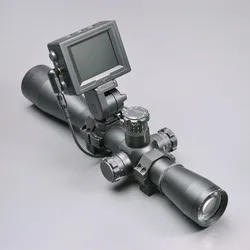
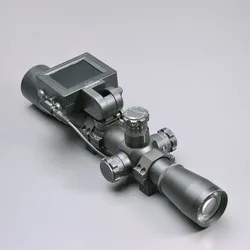
The working monitor & custom-built articulated mount were attached to a client provided, rented, rifle-scope. An existing attachment point was used, so no physical modification of the scope was required.
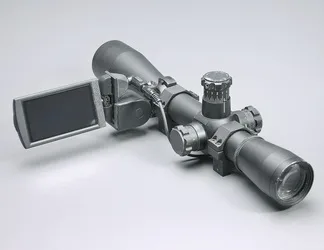
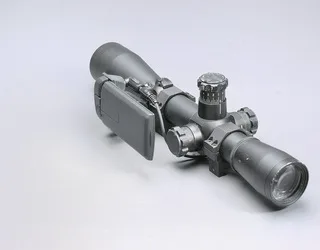
This 2nd version was produced when it was decided that a sleeker look was required. The monitor (nonworking) was harvested from a camcorder.
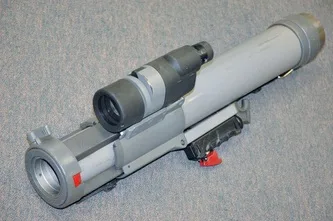
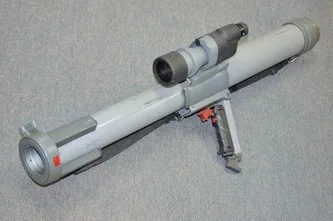
Shown in "READY" configuration. Featured self-contained pyrotechnic circuit. 4-units were built.
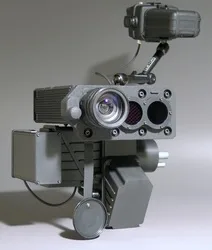
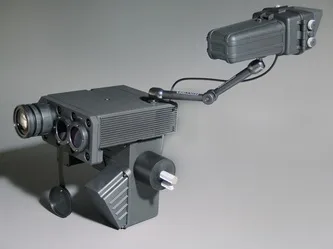
Realistic multicoated laser finder windows and imager lens.
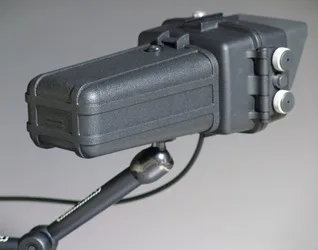
Functional weatherproof color LCD monitor mounted on an adjustable arm. (Image was fed off-camera via coaxial cable.)
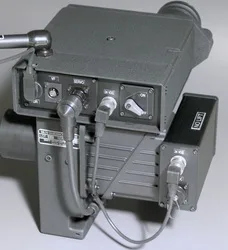
Built to withstand heat & vibration, while mounted to the Armorer provided, automatic grenade launcher.
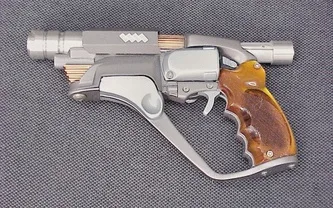
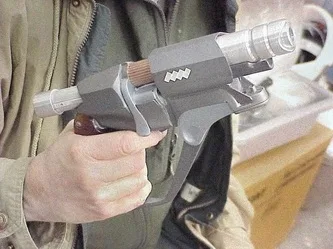
Features included removable magazine, sequenced LED indicators & squib firing circuit. (Primary Fabrication: Peter Toporzysek. Electronics: Bill Merry of Williams Electronics)
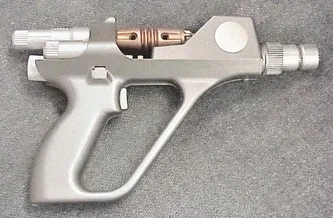
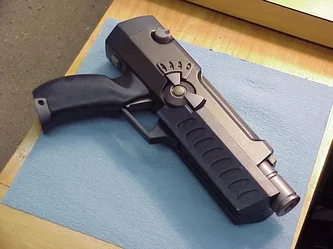
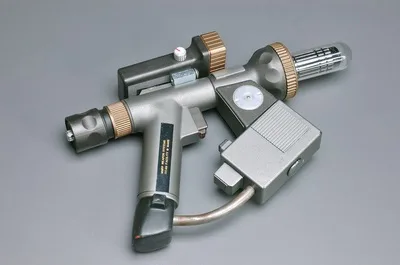
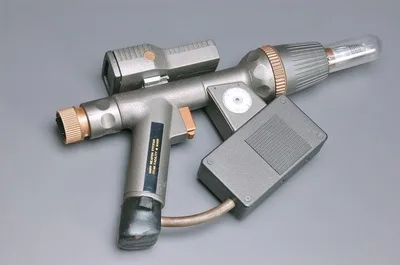
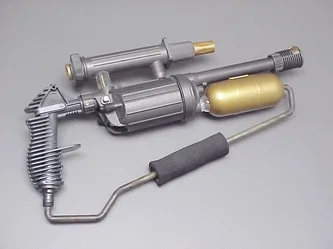
Close up.
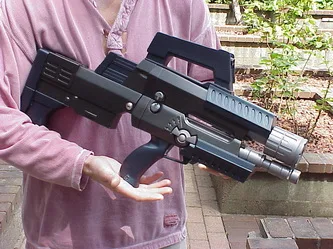
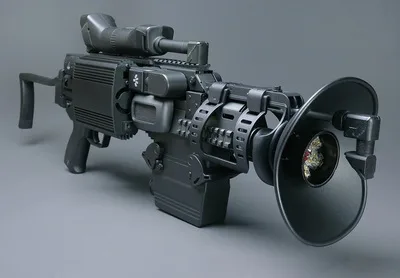
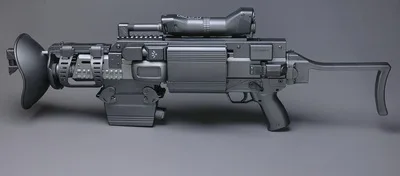
Other features included a folding shoulder stock, a working power level meter with LED bar-graph display, and various other operational LED indicators.
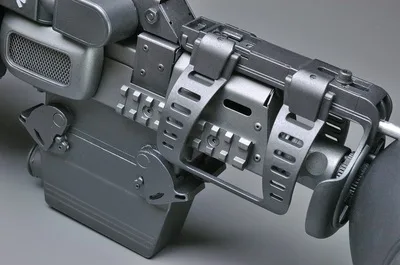
Finished in a subtle, two-tone "gunmetal" paint scheme.
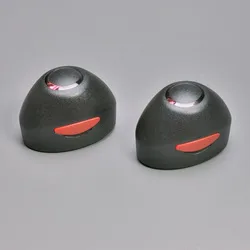
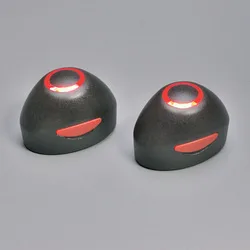
Featured 4-user selectable lighting effect modes.
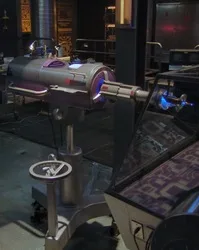
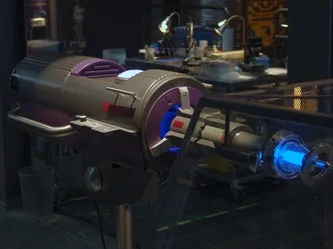
Mounted to a mobile pedestal that featured interlocked 3-wheeled steering, pan, tilt, & precision elevation via hand-wheel. Lighting effects where accomplished with LED's and miniature neon tube.
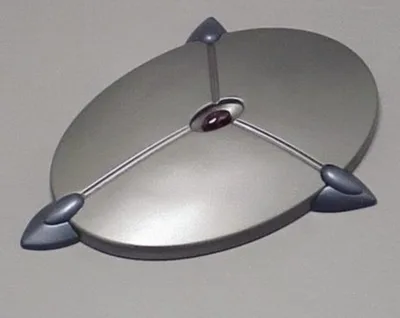
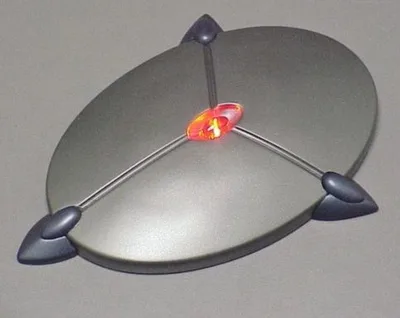
Illuminated "ARMED" indicator shown "ON". (3D modeling by Bob Boel.)
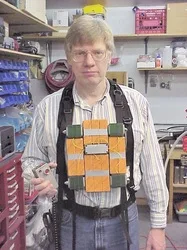
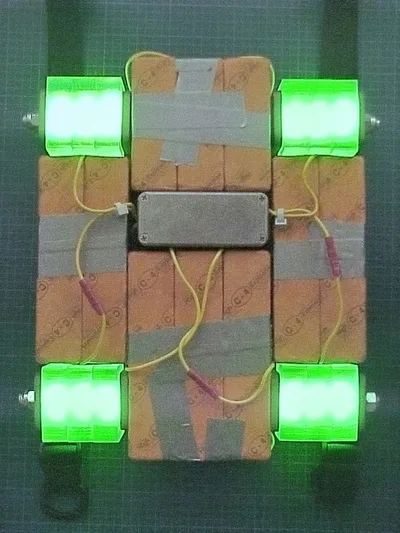
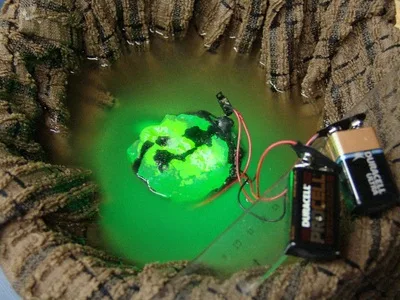
Internal glow effect could be dimmed or brightened via off-camera cabled remote.
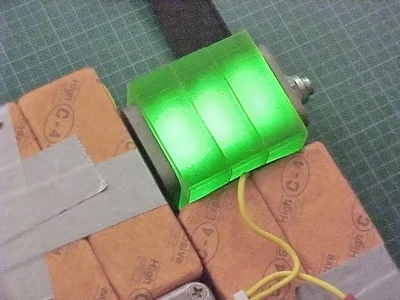
Close-up of glowing "processed kryptonite wafers".
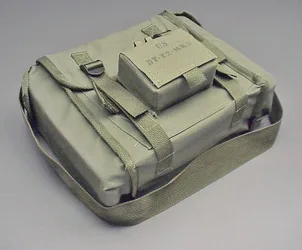
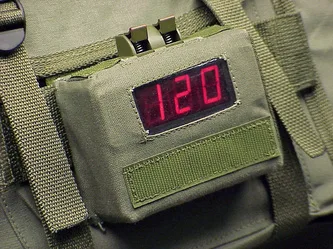
Countdown Timer LED display detail.
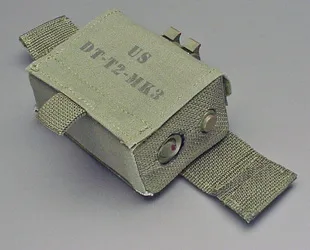
Countdown Timer detached.
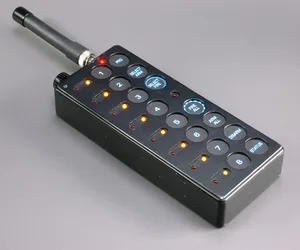
8-Channel Programmable Radio Detonator Unit (simulated) from the TV series MILLENNIUM.
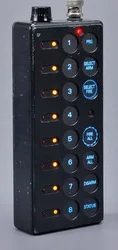
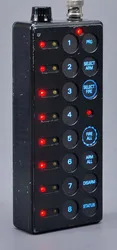
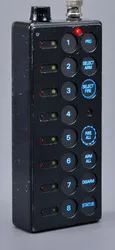
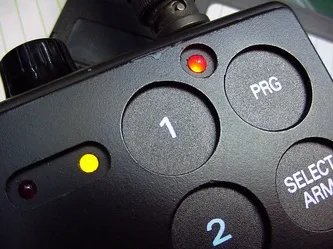
It featured microprocessor controlled LED sequencing and custom (backlit) membrane-switch keypad. (Electronics provided by Steve Genser of Robotic Effects. CAD rendering produced by Bob Boel)
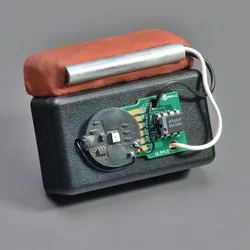
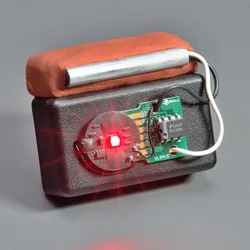
Featured operational high-output LED that could be set to flash at 3 different rates as well as "steady" & "slow pulsation" modes.
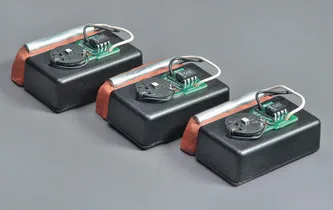
3-identical units were produced.
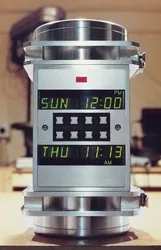
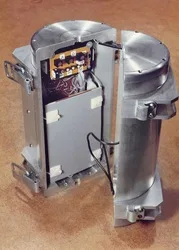
Featured user settable alphanumeric LED "start-time" display, functional "countdown" display & flashing "ARMED" indicator. Displays were engineered to prevent "strobing artifacts" normally evident during cine photography.
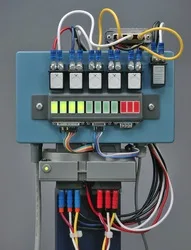
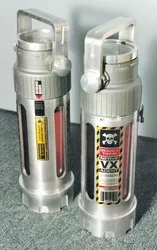
Binary Chemical Bomb Controller/Timer from the TV series ARROW.
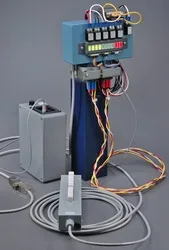
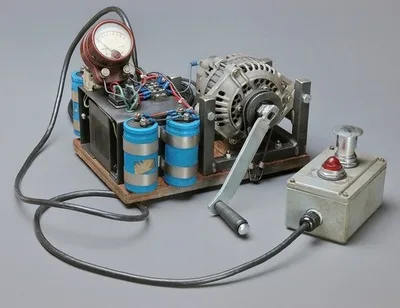
On-camera components consisted of the controller head and working power supply unit.
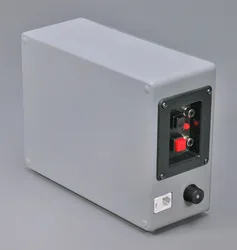
Power supply detail.
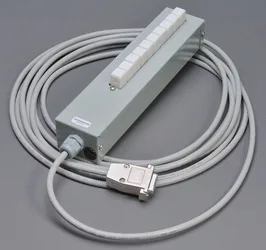
Each LED bar-graph segment was individually controlled off-camera via cabled remote.
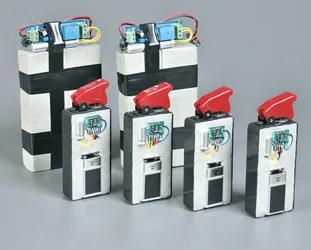
Simulated IEDs. The 2 background devices had mobile phones attached when they appeared on-camera, and featured flashing LED "ARMED" indicators.The foreground devices were conceived to be set to detonate shortly after being armed, and were intended to be thrown like a hand-grenade.
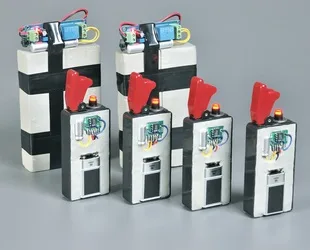
Lifting the switch-guard, and pressing the revealed pushbutton, started the timed interval (and caused an integrated LED indicator to flash).
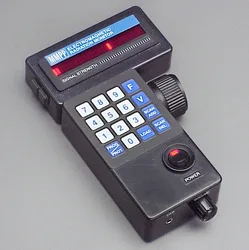
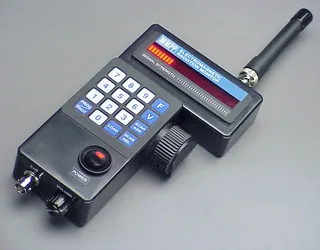
Accessory antenna attached.
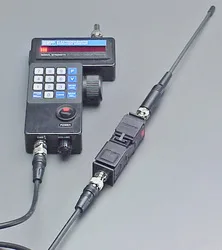
Shown with RF Sensor Wand attached. One of several possible attachments.
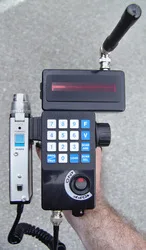
Shown here reconfigured to include an alternate, detachable sensor wand, and pistol grip.
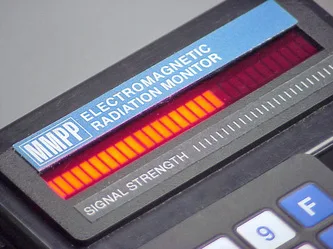
Bar-graph LED Display detail. (Electronics provided by Steve Genser of Robotic Effects.)
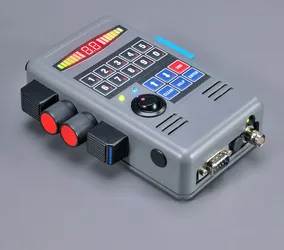
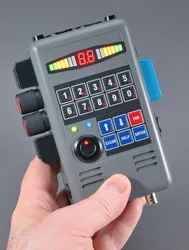
The display reacts continuously to whatever the scanner encounters.
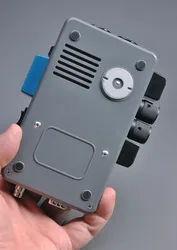
Rear of unit showing the simulated "EM" sensor.
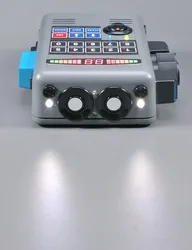
Front of the unit features simulated sensors and a user-activated white-light illuminator...
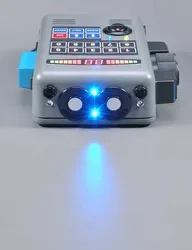
Alternately, a simulated UV light source can be selected. Either can be set to activate when the unit is switched ON, or can be left OFF completely. (Powered via 9 volt batteries.)
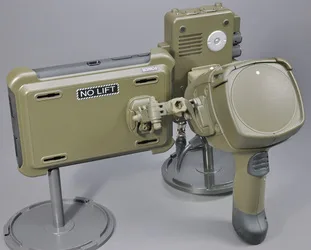
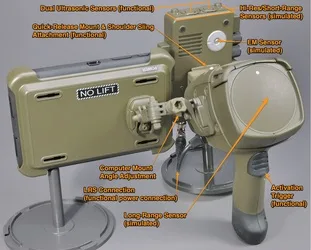
The control unit could be disconnected from the base unit and used independently.
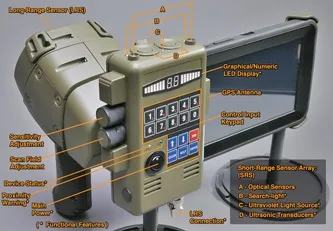
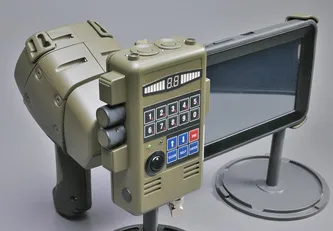
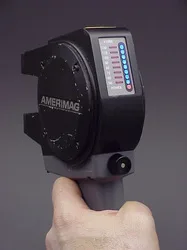
Control unit was obtained from existing rental stock and repainted to military spec. (Click on image to see the the original civilian version and a full description of operational features.)
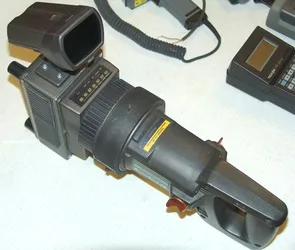
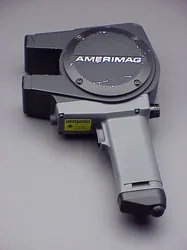
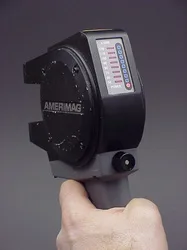
Featured a user triggered LED graph display - shown "OFF".
LED graph display - shown "ON".
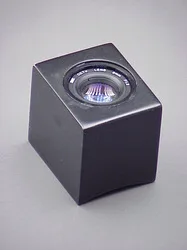
Optical Sensor Accessory.
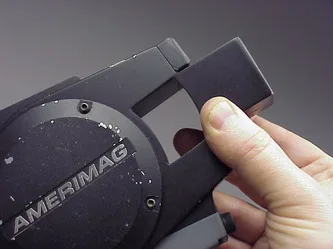
Showing installation of Optical Sensor.
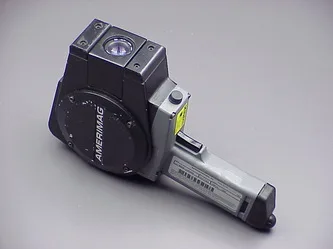
Optical Sensor Installed.
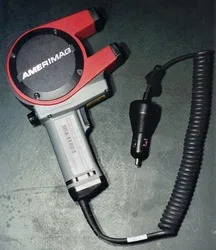
Shown here in its original color scheme configured with a external power cable. (Co-produced with White Monkey Design. Graphical treatment by Greg Venturi).
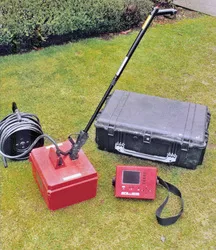
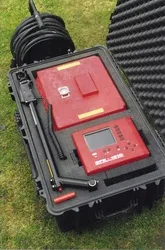
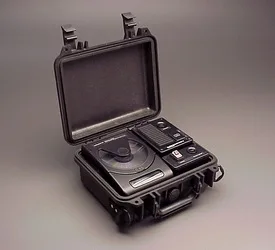
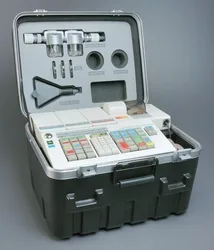
Each component is deployed from a custom fitted field case.
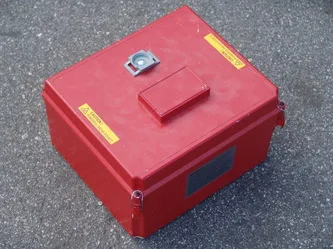
Imager unit.

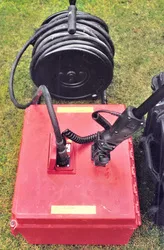
Imager unit connections.
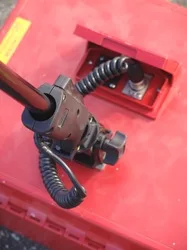
Connection detail.
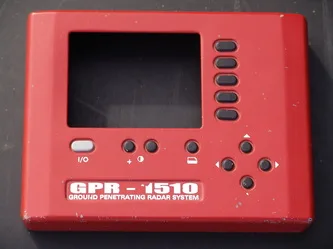
The Control/Monitor Unit was an empty custom housing designed to fit a rented mini-HD video monitor. (Primary Fabrication: Clint Bolton. CAD Rendering: Bob Boel.)
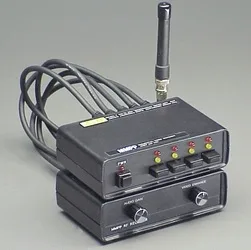
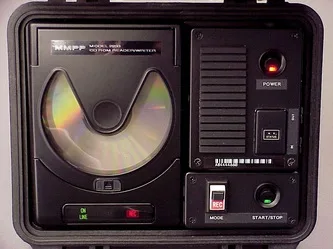
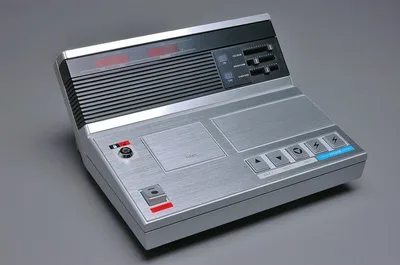
Audio Surveillance Receiver and Monitor (simulated) with operational LED indicators.
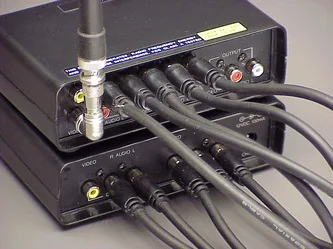
Connection detail.
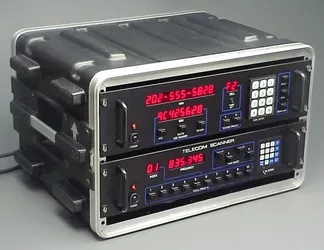
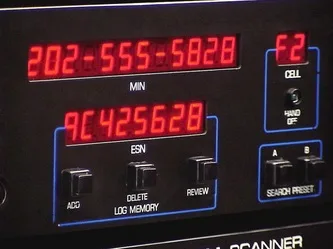
Numeric LED display detail. Custom "non-strobing" design. Built for the TV series MILLENNIUM. (Co-produced with Clint Bolton. Electronics provided by Steven Genser of Robotic Effects. CAD rendering provided by Bob Boel)
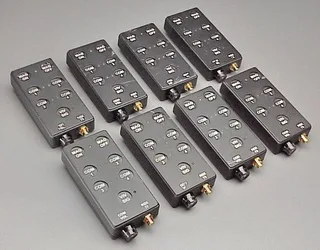
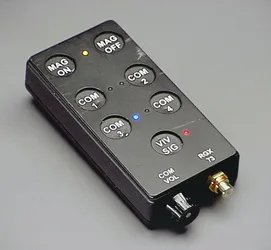
User-activated LED indicators. (Co-produced with Bob Boel. Electronics provided by Steve Genser of Robotic Effects)
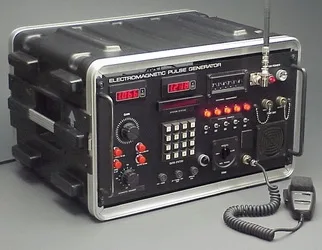
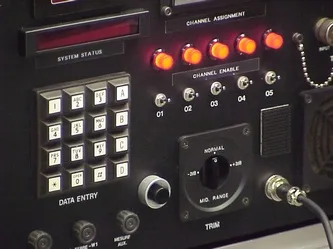
Originally built by SFX department of the TV series MacGYVER as a "Submarine Cloaking Device". It was subsequently obtained by MMPP INC. and repeatedly modified for various other production purposes.
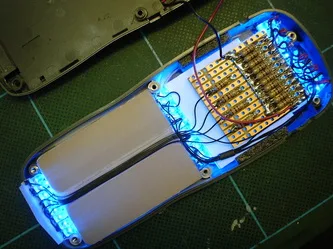
High-Output LED's...
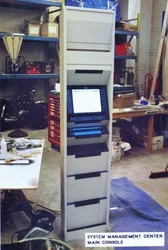
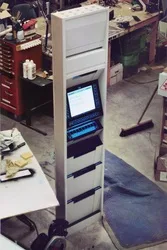
The unit was designed to be flush-mounted into a pocket cut into the existing set wall.
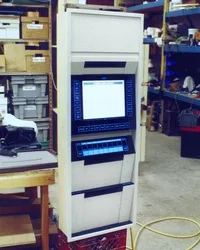
A smaller version was also produced. Both featured simulated capacitance touch-screens & control surfaces.
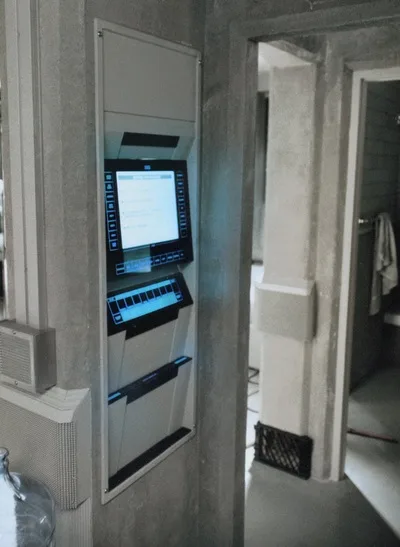
The smaller unit installed on set. (Co-produced with Michael Calouri of Prop Werks.)
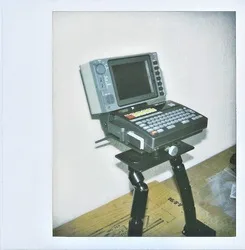
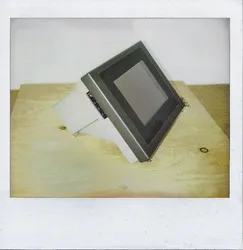
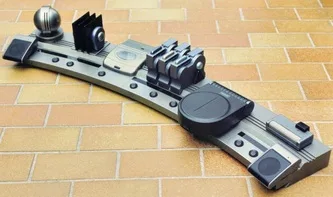
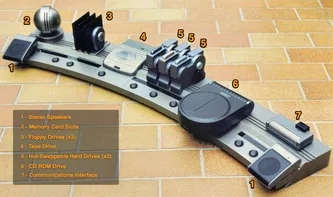
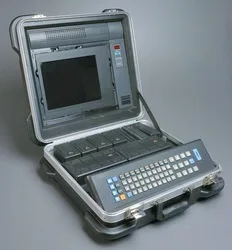
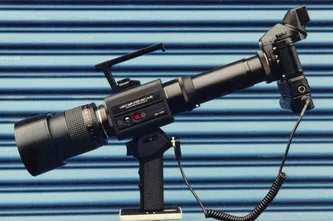
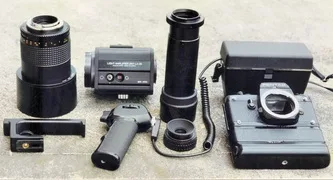
Separate components.
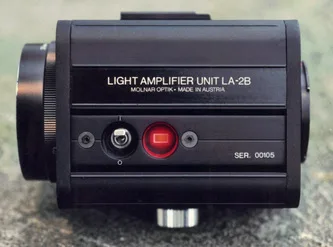
Light amplifier component.
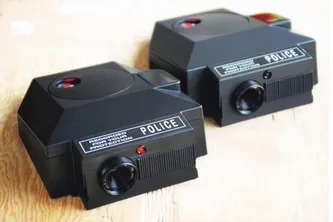
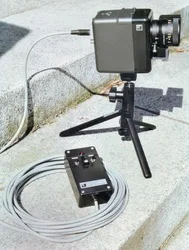
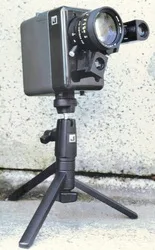
Closer view.
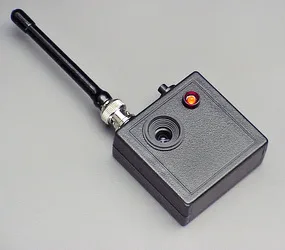
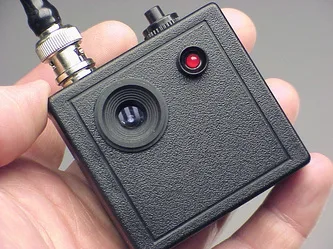
Close-up detail.
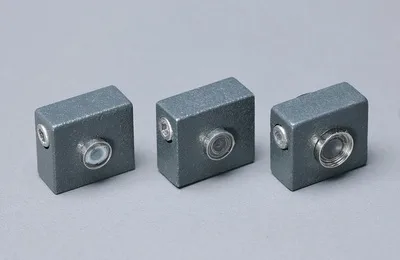
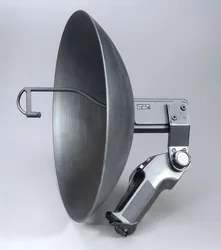
Parabolic Directional Microphone.
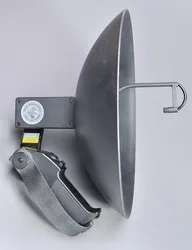
Inexpensively made from "found objects" (The dish component is a fiberglass wok cover.)
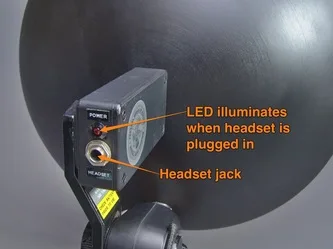
Featuring an operational LED indicator.
Featuring user-activated LED indicators.
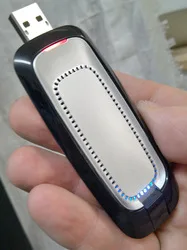
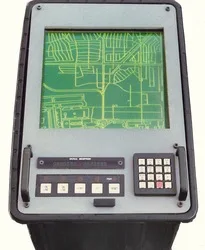
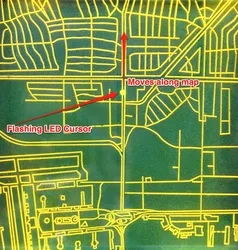
Featured simulated green-phosphor display incorporating a flashing LED indicator that would advance along the map.
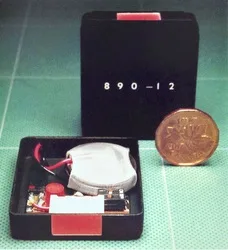
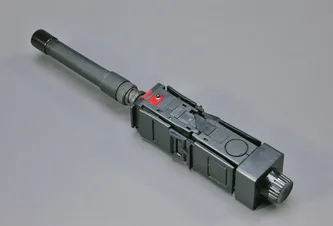
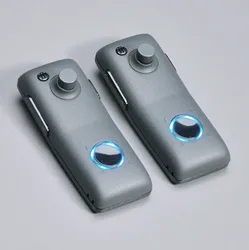
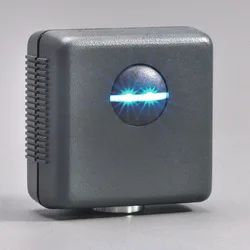
Tracking Transponder (simulated) from the web/TV series BLOOD AND CHROME.
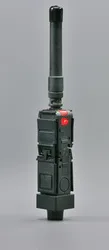
Features 2 dual-brightness flashing LED's.
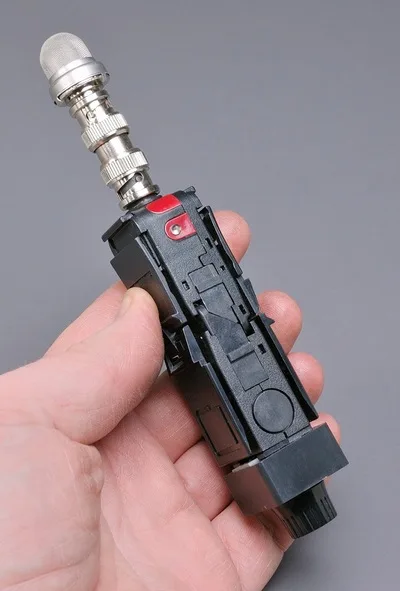
Reconfigured as a gas sensor device.
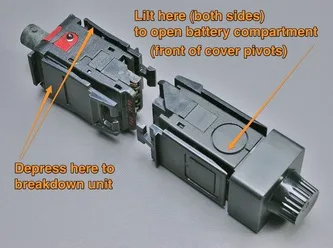
Device breaks-down into 2 modules (transmitter & power supply).
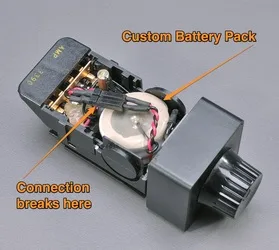
Battery cover removed.
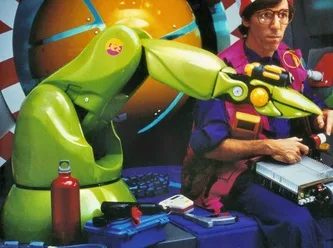

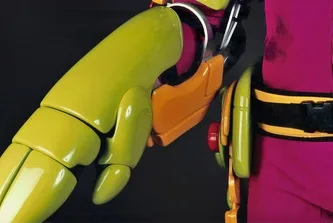
Capable of transition between recorded and live control during performance, this robot featured 6 points of articulation and a guitar lacquer finish. The working mechanicals (including electronics & software) were subcontracted to Steve Genser of Robotic Effects Inc.
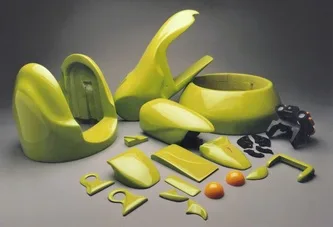
The cosmetic components that dressed the mechanicals were carved from high-density urethane foam block by Bob Boel.
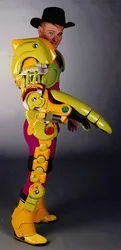
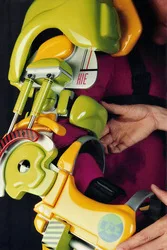
Arm detail.
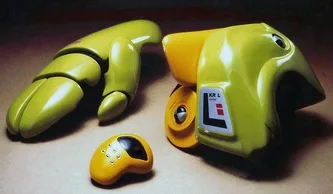
Each component was carved from high-density urethane foam block or expanded styrene sheet and fixed onto a polycarbonate frame. Fabrication by Greg Lowen. (The middle item was fabricated elsewhere)
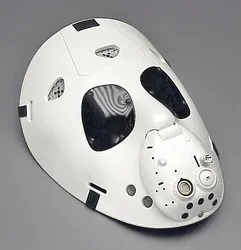
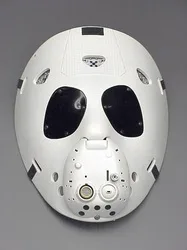
Apertures in forehead were rigged to emit blue liquid.
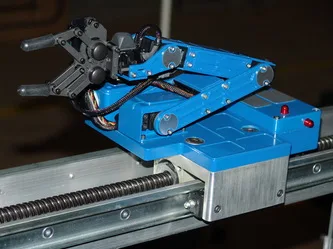
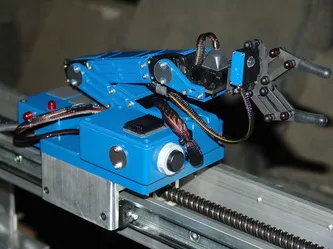
Featured 6 points of articulation & 4 flashing LED "hazard lights."
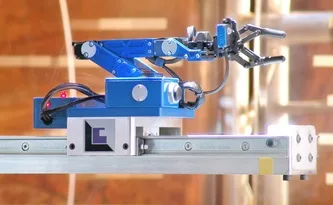
In use on set.
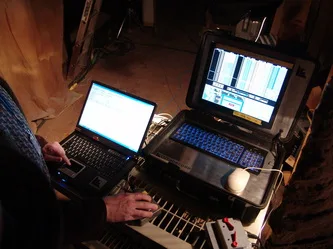
Off-camera control. (Co-produced with Bob Boel. Linear Actuator provided by Steve Genser of Robotic Effects. Additional supporting hardware/software from Jordan Kidston of Objects Special Effects.)
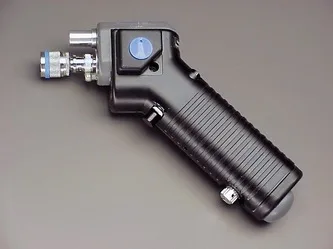
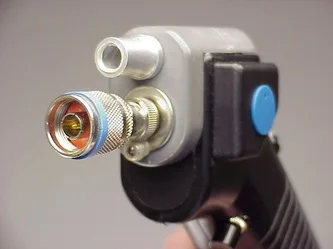
Close-up of injector head.
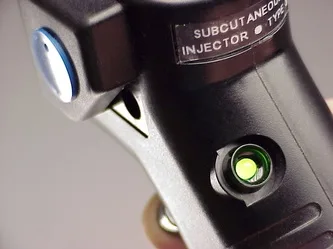
LED indicator.
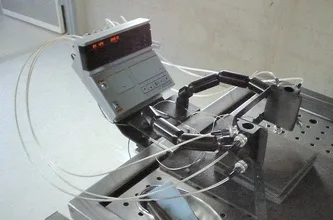
Shown here with integrated "patient immobilizer device".
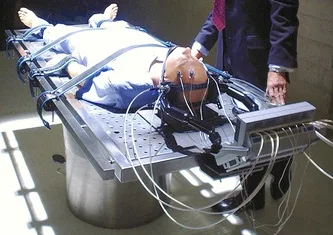
In use on set. (CAD rendering provided by Bob Boel)
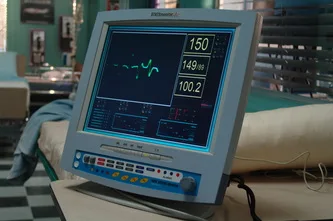
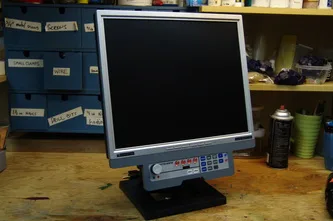
Another Vital Signs Monitor from the TV series SMALLVILLE accomplished in a similar manner.
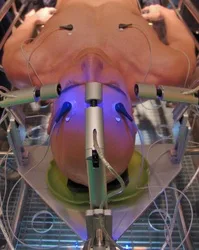
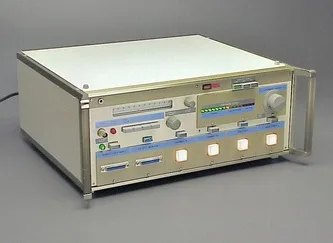
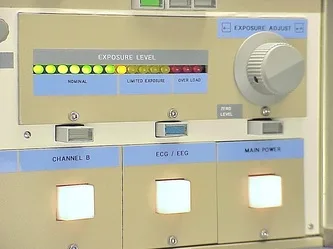
Exposure level indicator detail (LED electronics provided by Steve Genser of Robotic Effects).
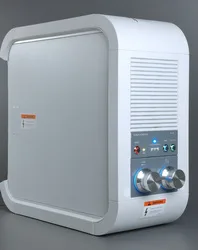
Tabletop Scanning Electron Microscope from the TV series ARROW.
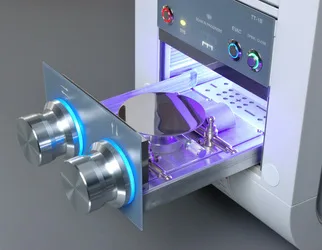
Featured a motorized specimen-chamber drawer fabricated from aluminium & polished stainless steel.
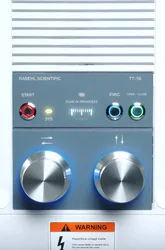
User triggered, sequentially controlled LED indicators.
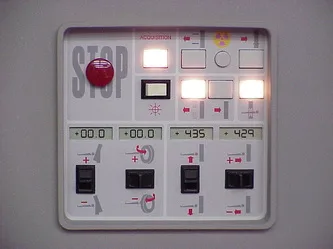
Control Panels built for installation into an accurate replica Siemens PET Scan Machine. Produced for the feature film HIDEAWAY.
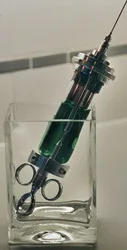
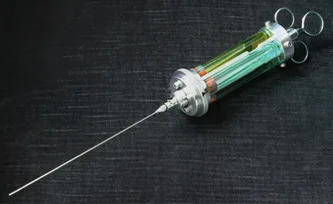
Featured 4 interchangeable glass vials, and knurled, detent-indexed "vial selection dial".
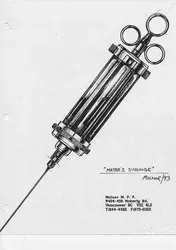
Original concept rendering.
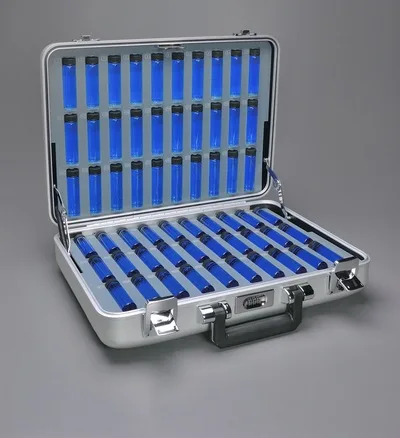
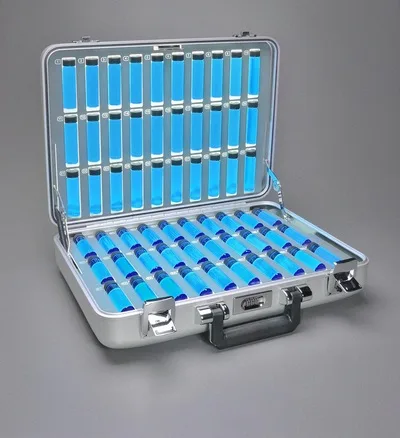
Illumination "ON". Unit can run continuously for 3 hours, via internal battery pack.
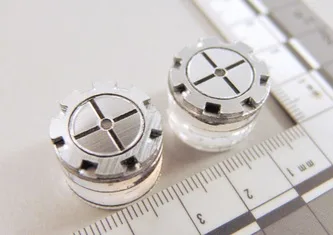
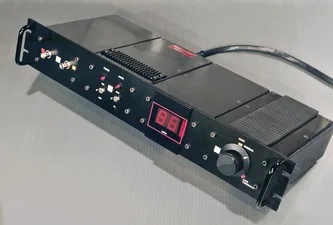
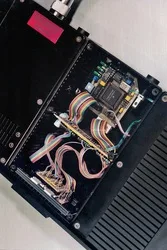
Detail of electronics. Featured on-camera adjustment of numeric LED display with corresponding LED bar-graph "pulse rate". (Electronics provided by Steve Genser.)
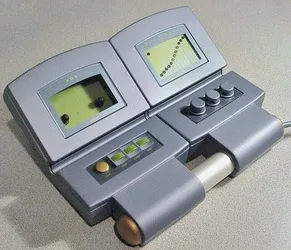
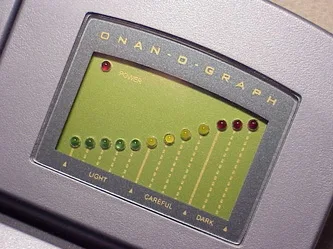
LED graph display detail.
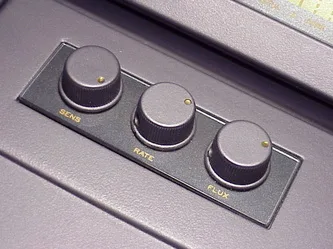
Sensor control detail.
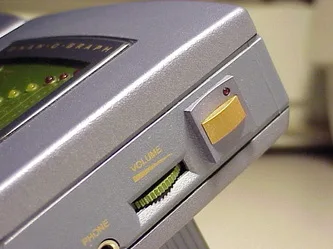
Audio volume, output jack, and power switch detail.
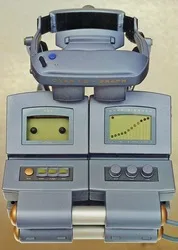
Complete apparatus with "feedback interface" unit. (Co-produced with Bob Boel.)
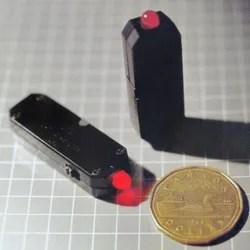
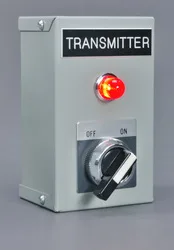
Medium-Duty Switch Device with Illuminated Indicator. (Self contained power via 9 volt battery.)
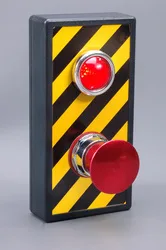
Heavy-Duty Switch Device with Large Flashing Indicator. (Self contained power via 9 volt battery.)
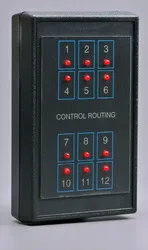
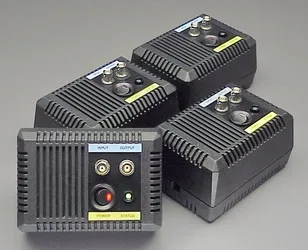
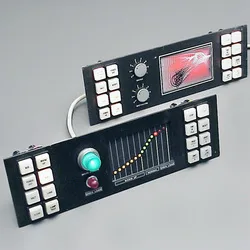
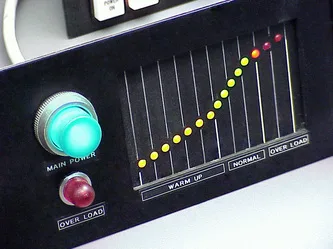
Featured cabled remote control of illuminated indicators and sequenced bar-graph LED display.
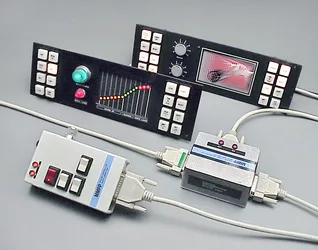
Panels connected to remote control, cables & junction box (LED electronics provided by Steven Genser of Robotic Effects).
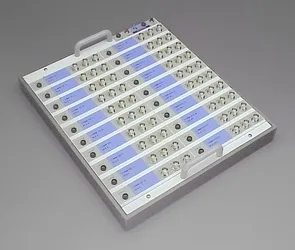
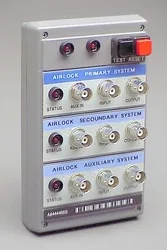
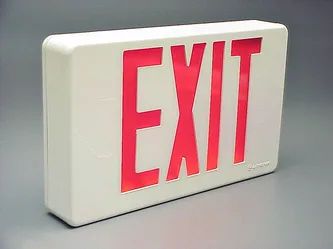
Illuminated "EXIT" Sign rigged for self-contained operation (via internal 9 volt batteries).
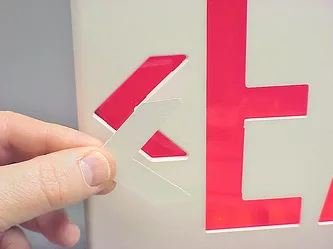
Removable direction marker covers facilitate different configurations: left arrow, right arrow, left & right arrows, or none at all.
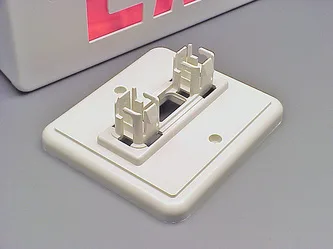
Optional wall-mount bracket.
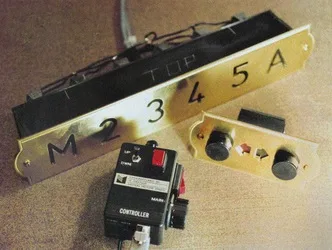
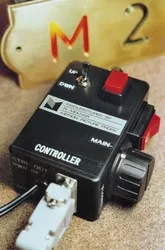
Floor selection & "CALL" button indicators were controlled off-camera via cabled remote. (Co-produced with Bob Boel)
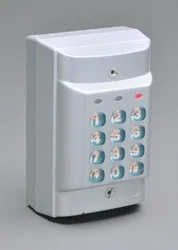
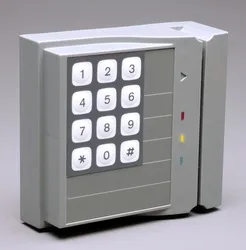
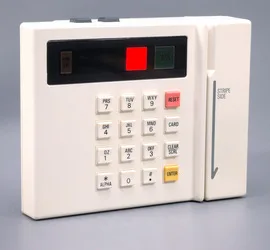
Card-Swipe Access Control Unit with Keypad. Features simulated, self-contained operation. (Shown here in "ACCESS DENIED" mode.)
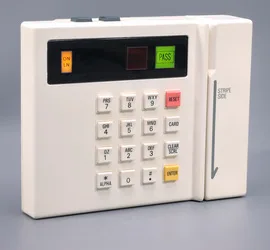
Mode changes to "ACCESS GRANTED" (after a 1 second delay) whenever the "ENTER" button is pressed, or a card is passed through the reader slot.
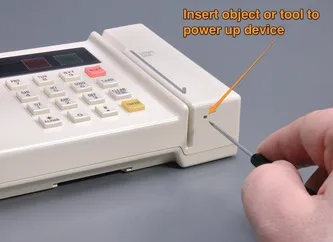
Detail showing concealed power switch operation.
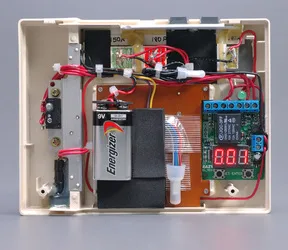
Rear of unit with cover removed. Changes to the existing sequence timing can be easily reprogrammed if needed.
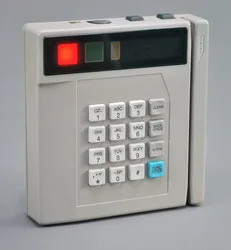
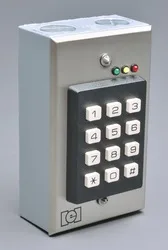
Card-Swipe Access Control Unit with Keypad. Features simulated, self-contained operation. (Shown here in "ACCESS DENIED" mode.)
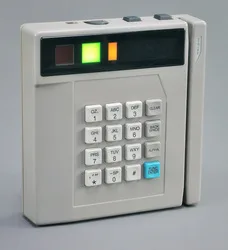
Mode changes to "ACCESS GRANTED" (after a 1 second delay) whenever the "ENTER" button is pressed, or a card is passed through the reader slot.
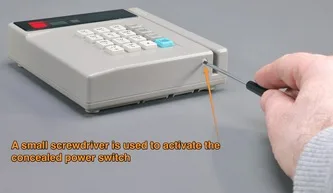
Detail showing concealed power switch operation.
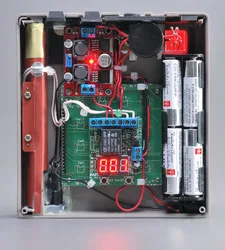
Rear of unit with cover removed. Changes to the existing sequence timing can be easily reprogrammed if needed.
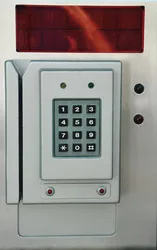
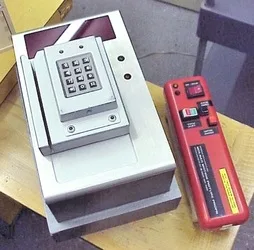
Controlled off-camera via cabled remote. (Electronics provided by Steve Genser of Robotic Effects.)
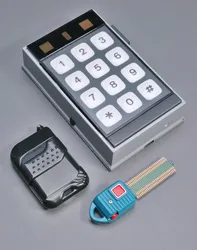
Simulated Proximity Card Reader with keypad and special "Electronic Key"
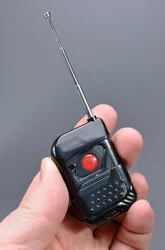
Status LED's cycle from red "SECURE" to green "ACCESS GRANTED" via off-camera wireless remote.
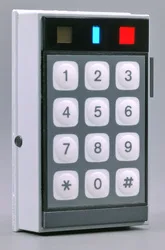
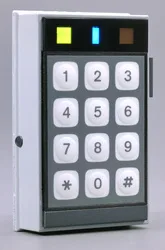
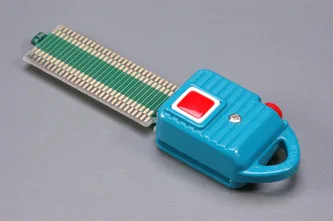
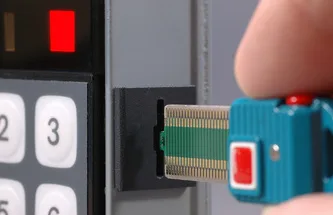
Key is inserted into the right side of the unit.
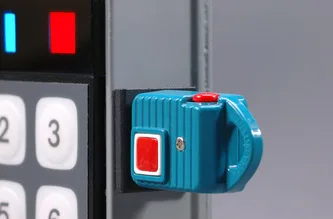
Blue LED illuminates once the key is fully engaged.
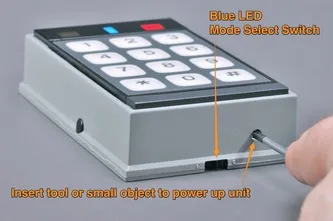
Detail showing power switch and blue LED mode select switch.
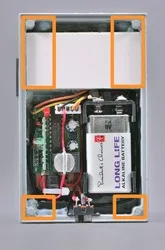
Image depicts size & placement of temporary adhesive putty or tape used to mount.
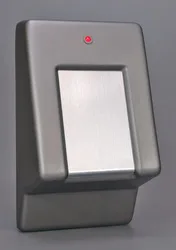
Simulated RF Card Reader Unit.
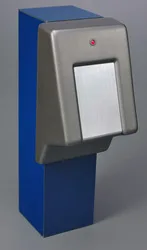
Wireless radio control provides off-camera LED color change from red "SECURE MODE"...
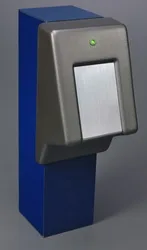
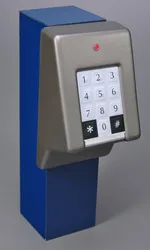
Shown with optional keypad.
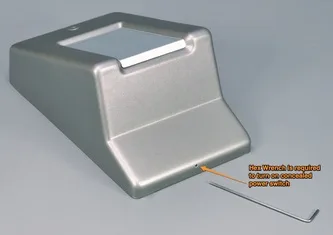
Unit is powered up from a concealed switch.
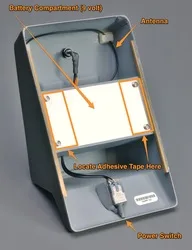
Mounting is achieved using temporary adhesive tape or putty.
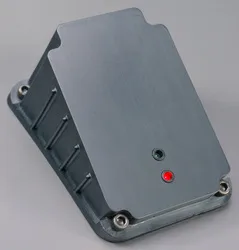
Simulated RF Card Reader Unit.
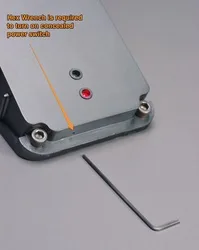
Features wireless radio control that allows the user, off-camera, to change the LED state from red "SECURE MODE" to green "ACCESS GRANTED".
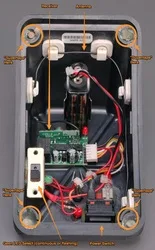
Internal layout. Temporary mounting is achieved using adhesive tape or putty.
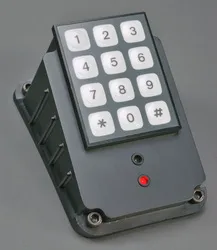
Shown with optional keypad in console mounted config.
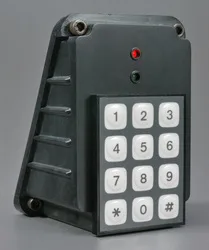
Shown with optional keypad in wall mounted config.
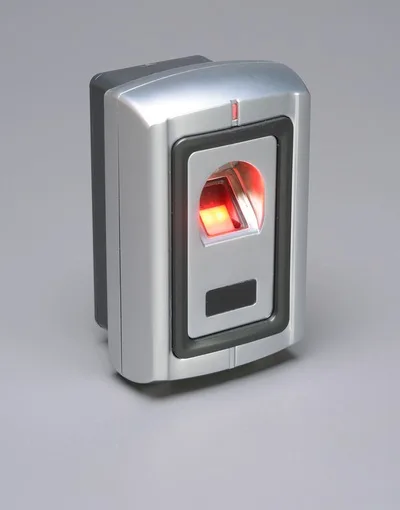
Fingerprint access control unit. Features self-contained operation.
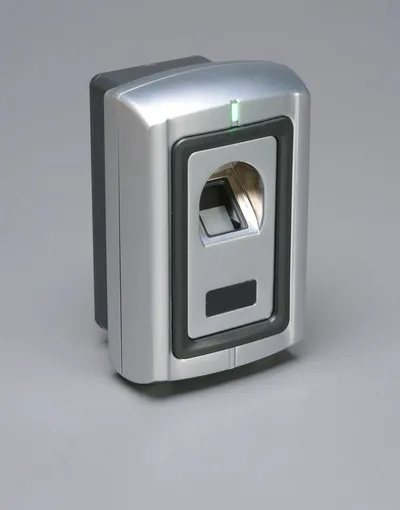
Status LED turns from red (access denied) to green (access approved)...
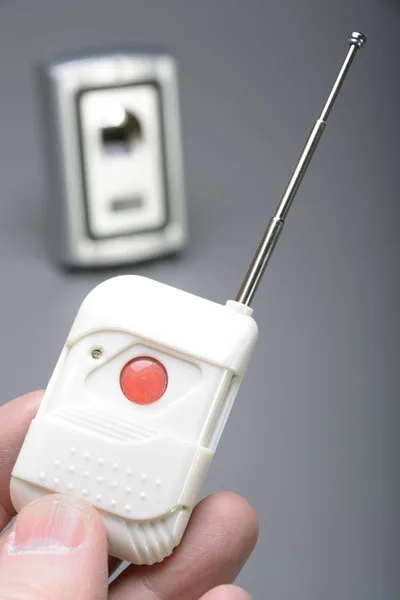
…via a small, radio remote control.
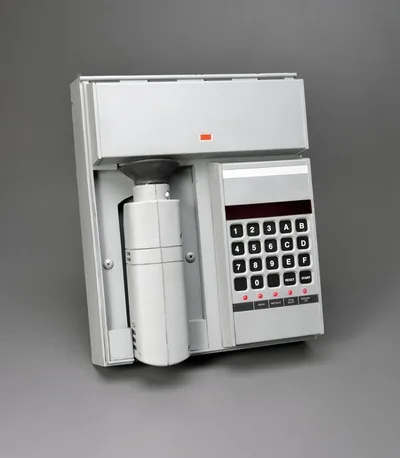
Retina Scanner Access Control Unit (simulated)
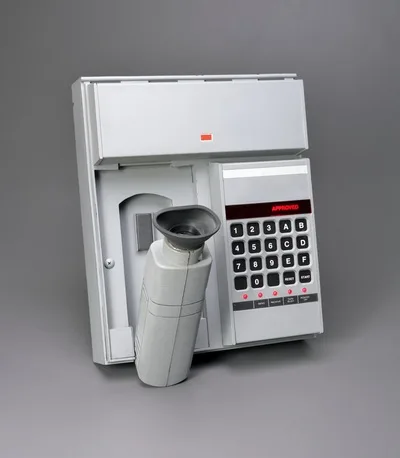
Optical scanner positioned for use.
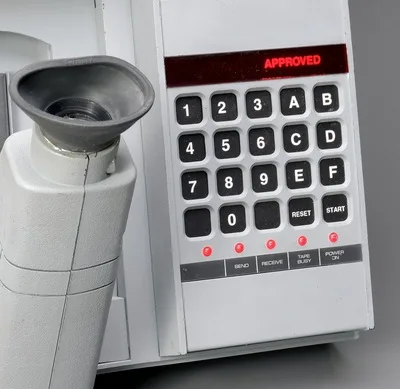
Once the scan is completed, the "APPROVED" indicator illuminates (access granted).
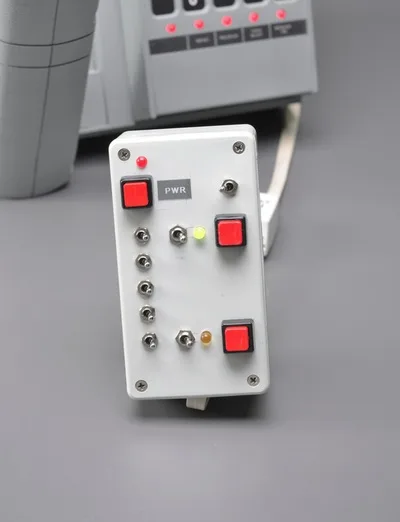
This cable connected remote unit providers power and function control. Power is provided via two (internal) 9-volt batteries.
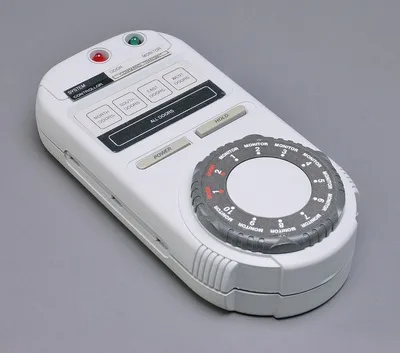


Carved from high-density urethane foam block.
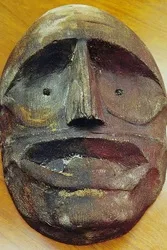
One mask was to appear recently made, while the other (depicted here) was to portray an unearthed artifact.
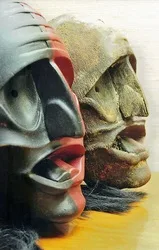
Both masks were skillfully carved by Bob Boel.

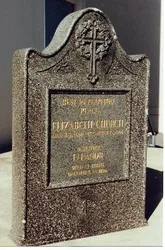
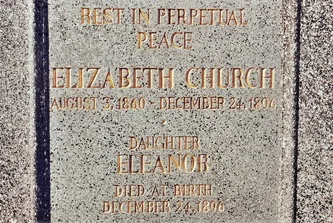
Text was hand-carved into high-density urethane foam block.
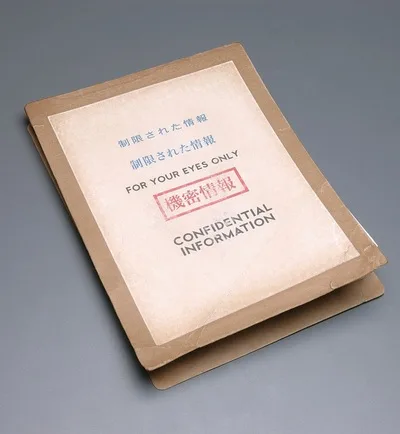
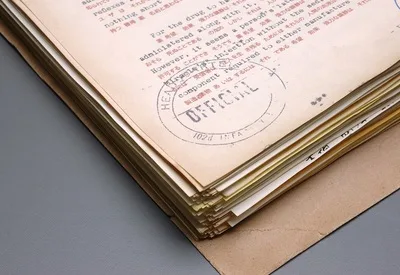
Subtle edge-aging of the documents was accomplished via airbrush.
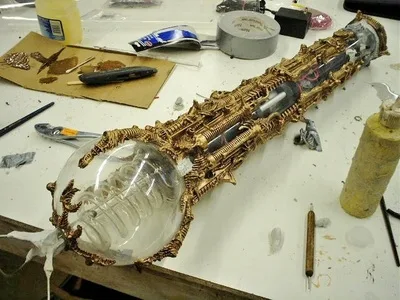
Construction of an "Alien Anal Probe" for the feature film SCARY MOVIE 3 (deleted scene).
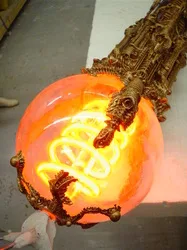
Sphere detail showing custom neon tube.
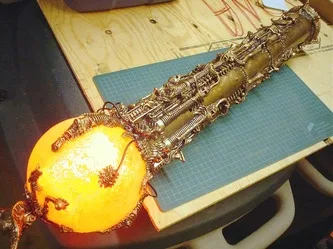
Completed prop. Detail at the front of the sphere was motorized and slowly rotated.
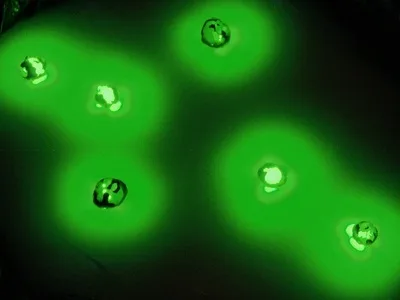
Another test.
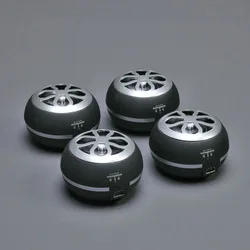
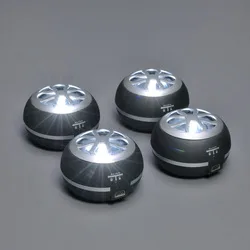
Featured operational high-output LED lighting. 8-identical units were produced.
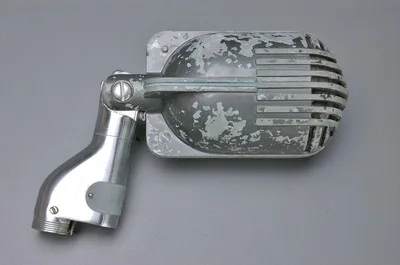
Sure Brothers Stratoliner Model 708 A...
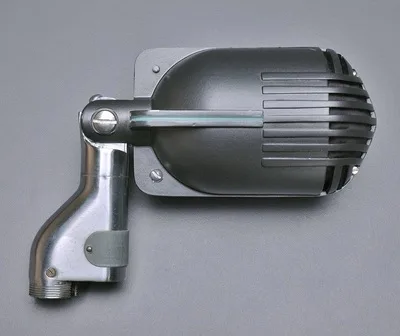
…restored to original condition.
Images depict custom props produced by PROPOLOGY (MMPP INC.) in-house, or in concert with sub-contractors.
Exciting, Realistic Design...
Reliable, User-Friendly Functionality
Lead Designer and company President Richard Molnar brings over 25 years experience to bear in the production of screen-ready custom props, and has worked in every job category within the Prop Department, both on and off set. This experience has given him uncommon insight into what your production colleagues demand of you, and the props you provide. Please feel free to call him to discuss your current needs, or simply get acquainted with our method of operation.
Our Method
For more information, or to meet with Richard Molnar please call: (604) 788-4483
Our Method
- Define Prop Requirements
- Confirm Cost, Specifications, and Completion Deadline
- Update Client with Relevant Information
- Apply Reliable, User-Friendly Engineering
- Deliver... on time!
For more information, or to meet with Richard Molnar please call: (604) 788-4483
To Order a Custom Prop
- Call and alert us as to your Pending Order as soon as possible.
- Confirm your order. Discuss Project Budget, Known Specifications, Completion Deadline, and alert us to any areas of possible change.
- Review Estimate and confirm Project Specifications.
- Approve Estimate and deliver Deposit Cheque (if required).
When the Work is in Progress
- Call or text to alert us of any necessary changes.
- Review the Revised Estimate and deliver Supplementary Deposit Cheque (if required).
- Review Project progress.
- Call to schedule a pickup time for the completed Project.
At Project Completion
- Call or text to confirm pickup time.
- Inspect the completed Project and obtain any necessary operational instruction.
- Submit a production Cheque Requisition for the total invoice balance owing at Project completion. NOTE: We do not operate on a Purchase Order basis. All invoices are due upon receipt, and are not to exceed a two-week period.
Custom-Modified Rental Props:
Rental Prop... And Save Significant Budget Dollars!
Apply our prop fabrication expertise and resources to most any prop in our rental inventory, to produce exactly what you need, at a fraction of the cost to build from scratch!
To Order a Custom Rental Prop:
Confirm the rental cost and availability of your selection from our Rental Prop Inventory, then discuss with us the kind of modifications you require. The rest of the process is virtually identical to that of Custom Props ordering. (See "To Order a Custom Prop".)
The following conditions apply when ordering Custom Rental Props:
The following conditions apply when ordering Custom Rental Props:
- Custom Rental Props are PROPOLOGY (MOLNAR MOTION PICTURE PROPS, INC.) Rental Items that have been modified to Client Specification and expense. They remain the property of our company.
- Invoice total paid by the Client reflects the cost of said modifications and/or restoration costs - if required. In addition, the standard rental rates will apply.
- All of our regular Rental Terms & Conditions remain in force and apply to Custom-Modified Prop Rentals. (see "Rental Procedure")
- Rarely, certain Rental Items may require partial or complete restoration to their original condition. This would occur at the Client's expense, upon Rental Termination. The scope of the restoration and its cost would be mutually agreed upon, in advance of modification to the Rental Prop. (A written addendum attached to the Rental Agreement between PROPOLOGY (MOLNAR MOTION PICTURE PROPS, INC.) and the Client would describe this agreement.)
- We reserve the right to refuse modification to certain Rental Inventory Items.
For more information please call: (604) 788-4483